
What is elder financial abuse?
Elder financial abuse is when someone in a position of trust, like a family member, friend, or carer, causes financial harm to an older person to benefit themselves. It can happen gradually or as a single act.
This type of abuse can take many forms, from pressuring someone to hand over money or stealing directly from their bank account to misusing Power of Attorney.
It’s a serious breach of trust that goes beyond financial loss. It can leave older people feeling powerless, isolated, and unsafe.
Who's most at risk?
While elder financial abuse can happen to anyone, there are certain groups that are more vulnerable than others. These groups include older Australians who:
- are alone or isolated
- live with memory or thinking issues, including dementia
- are from a migrant or refugee background, especially where English isn’t a first language
- identify as having First Nations heritage
- are dependent on other people for daily needs and financial management
- are unfamiliar with online banking or scams
- have been subject to other types of abuse in the past.
Common forms of elder financial abuse.
Elder financial abuse can take many forms. It includes repeated or once-off behaviour, including threats, actions, or even a lack of action.
This happens when someone appointed to manage another person’s finances uses that legal authority for personal gain.
Instead of acting in the person’s best interest, they might steal money, sell assets without approval, or make decisions to benefit themselves.
Similar to abusing power of attorney, improper use of funds is when someone who lawfully has access to an older person’s money uses it for non-agreed purposes.
For example, a carer may have clearance to use someone’s card to purchase groceries and other care needs for them but buys items for themselves instead.
Forcing someone to sign over ownership or control of money, property, or assets. This abuse can be emotional, verbal, or physical, and may include threats of harm, neglect, or withdrawal of care.
A scam is when somebody deceives you to steal your money or personal details.
Fraud is when someone accesses your funds or steals your details without your knowledge or authority.
While theft can happen to any of us, older Australians are particularly vulnerable, especially if they are experiencing issues with their mental or physical health.
This happens when someone feels entitled to an older relative’s money or property and tries to take it before they’ve passed away.
This can include pressuring them to hand over assets, transferring ownership without consent, or secretly accessing bank accounts.
Someone agrees to care for an older person, possibly in exchange for money, but doesn’t follow through. This can leave the older person without the help they need, putting them in a very vulnerable position.
Involves someone using guilt or fear to manipulate an older person in handing over money or assets.
It can look like withholding affection or contact unless the older person agrees to give them money or a loan.
Common signs of financial abuse.
There is a power imbalance.
Elder financial abuse typically involves someone misusing their power over an older person and exploiting their financial literacy, poor health, or lack of mobility.
Trust is broken.
Most often, elder financial abuse is carried out by someone known and trusted by the victim, like a family member or friend. Over time, the relationship breaks down as the perpetrator fails to deliver on promises or begins to act in a hostile, neglectful, threatening, or self-serving manner.
Psychological harm.
Sometimes elder financial abuse involves physical threats or violence, but more common is emotional harm or psychological distress.
Peter's story.
We helped keep our customer Peter* safe from someone trying to abuse their position as Power of Attorney. By sharing our stories and experiences, we help protect others and ensure no one fights scams, fraud, or abuse alone.
*Names and likeness in this story have been changed to protect the privacy of those involved.

Protecting yourself from elder financial abuse.
Don't share passwords and PINs.
Keep your banking access details private. Always enter your password and PIN yourself and never write it down.
Monitor your money.
Keep track of your accounts by checking your statements regularly, avoid signing anything you don’t fully understand, and if someone helps you with your banking, always make sure you ask questions and understand what is happening.
Stay connected.
With friends, family, and your community. Isolation makes it easier for abuse to go unnoticed. Staying social helps keep you safe.
Talk to your bank.
Your bank can act as a useful partner in preventing and detecting elder financial abuse. Bank staff can help you understand the different security features available for your account, such as withdrawal limits and transaction notifications, and can talk through any concerns you might have about who has access to your money.

Planning for the future can help prevent elder financial abuse.
Setting up a plan of action for managing your finances as you age can make a real difference in safeguarding yourself from elder financial abuse.
Learn more about setting up a support network, appointing a power of attorney, and planning your estate.
Reporting elder financial abuse.
If you or someone you know is experiencing financial abuse, contact us as soon as you can. If you share a computer or phone with someone you don’t trust, we recommend deleting your browsing history after visiting this page. How to clear your browsing history
Call us
Schedule a call
Visit a branch
Send a secure message
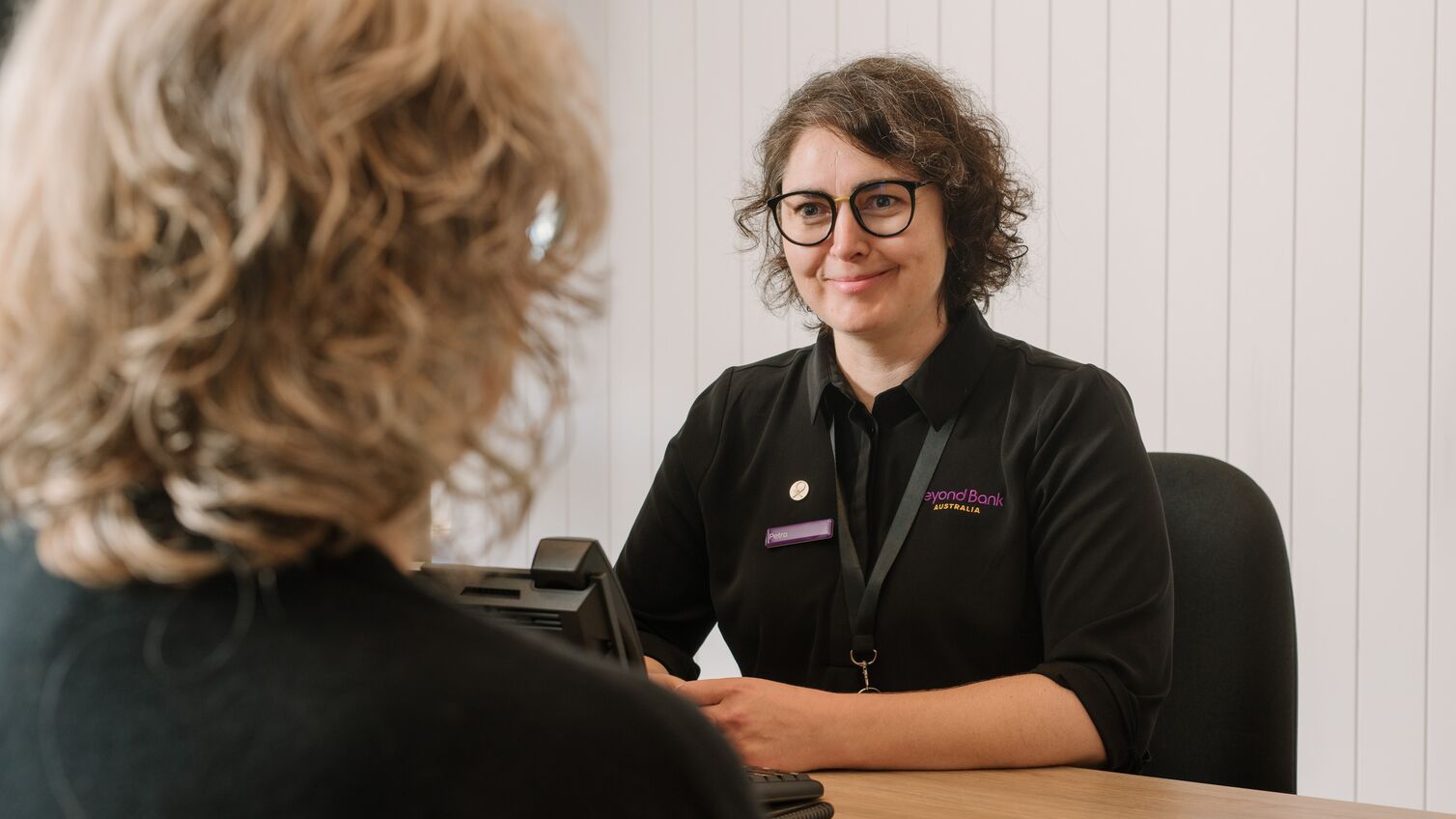
We are here to support you.
We care about what you're going through.
We understand how hard it can be to speak up and seek help for elder financial abuse. When you talk to a member of our team, either in branch or over the phone, you will be treated with respect and kindness. Your privacy and safety are our top priority.
Working with you to improve your situation.
Our team will work with you to protect and manage your money.
Connecting you to additional support.
We can assist you and your family in finding the right support for your situation in your state or territory.
More confidential support.
National Elder Abuse Phone Line
Call 1800 353 374
Note: this number redirects you to the phone line in your state or territory. Operating hours and services vary.